Introduction
In the landscape of nutritional support, enteral and parenteral nutrition stand as 2 primary approaches for supplying important nutrients to people that can not meet their dietary requirements with requirement dental intake. This short article delves into the distinctions in between these two kinds of nourishment, clarifying their interpretations, applications, benefits, and training perspectives. With a growing emphasis on customized nutritional support, understanding these distinctions is essential for healthcare specialists, specifically those involved in nursing and allied health.
Understanding the Differences Between Enteral and Parenteral Nourishment: A Training Perspective
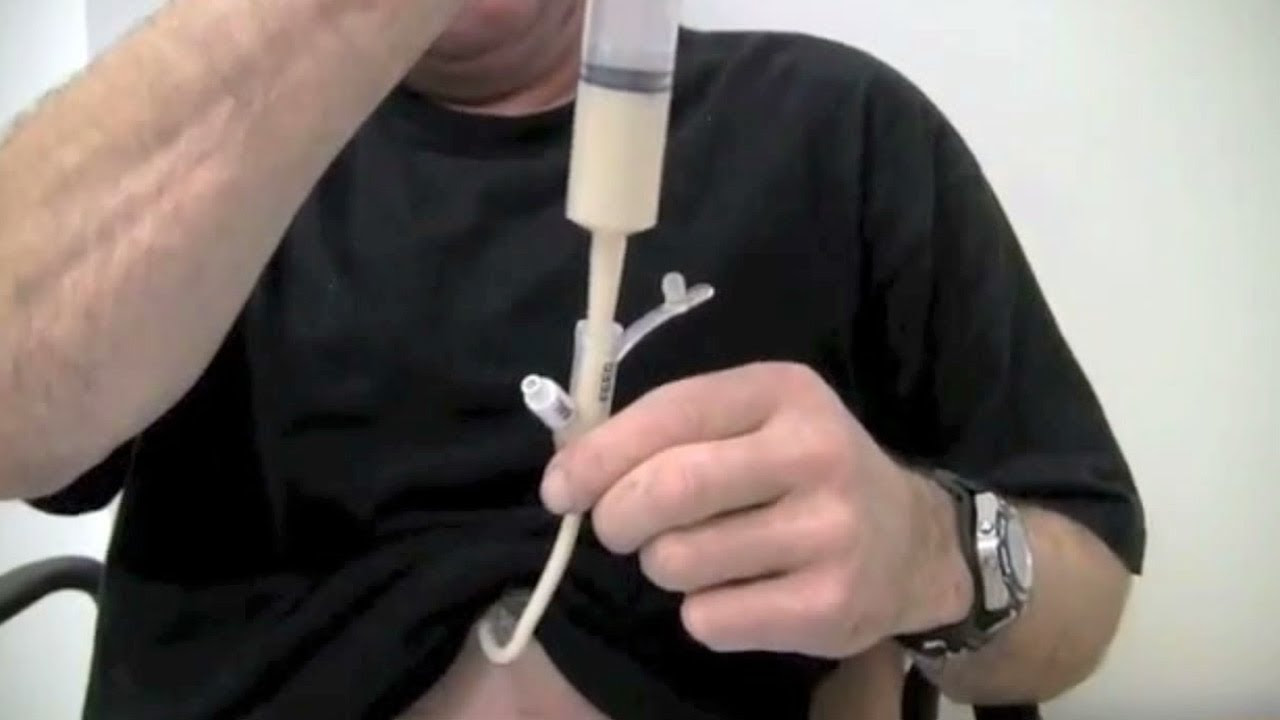
Enteral nourishment (EN) describes the shipment of nutrients directly into the intestinal tract, generally with a feeding tube such as a PEG (Percutaneous Endoscopic Gastrostomy) tube. On the other hand, parenteral nourishment (PN) includes administering nutrients intravenously, bypassing the digestion system completely. This basic difference affects everything from client option to training requirements for healthcare providers.
What is Enteral Nutrition?
Enteral nutrition is developed for people who have working digestive systems however are unable to consume food by mouth as a result of medical conditions such as stroke, neurological conditions, or dysphagia. EN can be supplied using various methods:
- Oral Supplements: Nutritional consumes alcohol that supplement meals. Feeding Tubes: Consisting of nasogastric tubes (NG), gastrostomy tubes (PEG), and jejunostomy tubes.
What is Parenteral Nutrition?
Parenteral nourishment deals with people who can not utilize their intestinal systems effectively due to conditions like digestive tract blockage or extreme pancreatitis. PN gives complete nutritional support via:
- Total Parenteral Nutrition (TPN): An intricate mix of carbs, proteins, fats, vitamins, and minerals supplied straight right into the bloodstream via central venous access.
The Value of Training in Nutritional Support
As medical care becomes progressively specialized, training procedures are important in ensuring safe and reliable administration of both enteral and parenteral nourishment. Specialized training courses like the NDIS PEG Feeding Training and enteral feeding support courses equip registered nurses and support workers with vital skills.
Enteral Feeding Support Program Overview
This course concentrates on:
- Assessing individual demands for enteral feeding. Learning about various sorts of enteral formulas. Practical skills for tube insertion and maintenance.
PEG Training for Nurses
Nurses play an important function in managing people with PEG tubes. Training consists of:

- Understanding signs for PEG placement. Techniques for safe tube care. Recognizing issues such as infections or blockages.
Comparative Evaluation of Enteral vs. Parenteral Nutrition
|Element|Enteral Nourishment|Parenteral Nourishment|| -------------------------------|--------------------------------------|---------------------------------------|| Route|Gastrointestinal tract|Intravenous|| Indicators|Useful GI tract|Non-functional GI system|| Nutrient composition|Whole foods/formula|Customized TPN service|| Risk aspects|Tube-related complications|Infection risk from IV accessibility|| Expense|Normally benefits of peg feeding lower|Higher due to complicated formulations|
Benefits of Enteral Feeding over Parenteral Feeding
Preservation of Intestine Integrity: EN preserves gut feature by advertising mucosal integrity. Lower Infection Risks: Contrasted to PN, EN has a minimized risk of infections because it does not entail vein access. Cost-effectiveness: EN typically costs much less than PN because of fewer required resources.When is Parenteral Nourishment Necessary?
While enteric paths are chosen when feasible, PN ends up being essential in situations such as:
- Severe malabsorption syndromes. Inflammatory bowel illness exacerbations. Short bowel syndrome complying with surgical resections.
Key Components of Effective Enteral Feeding Training Programs
Training programs should integrate detailed educational programs covering multiple aspects:
1. Anatomy and Physiology Related to Digestion Health
Understanding just how the gastrointestinal system functions ensures practitioners can make informed decisions concerning feeding methods.
2. Analysis Skills
Healthcare service providers require training in evaluating signs that determine whether an individual calls for enteric or parenteric feeding options.

3. Tube Monitoring Techniques
Learning correct techniques for insertion and management lowers dangers connected with feeding tubes.
4. Monitoring Person Progress
Regular monitoring assists assess nutritional standing while readjusting plans based upon private responses.
FAQs About Enteral and Parenteral Nutrition
1. What is PEG Feeding?
PEG feeding refers especially to supplying nutrients with a percutaneous endoscopic gastrostomy tube inserted straight into the stomach.
2. When ought to I take into consideration utilizing an enteral feed?
Consider utilizing an enteric feed when an individual has a functional stomach tract yet can not take in food by mouth because of different health and wellness issues.
3. What are some usual difficulties associated with PEG feeds?
Common difficulties include infection at the insertion site, tube dislodgment or clog, and aspiration pneumonia if feeds are not taken care of correctly.
4. The length of time can a specific remain on parenteral nutrition?
Patients can continue to be on parenteral nourishment indefinitely if closely kept track of; nevertheless, long-term usage might cause complications like liver damage or nutrient deficiencies.
5. Can enterally fed individuals also receive dental intake?
Yes! Many clients may still consume percentages by mouth if they have some ingesting capacity; this should constantly be assessed individually.
6. What certifications are available for experts handling PEG feeds?
Various courses use accreditation in PEG feeding methods including peg feeding training courses details to Australia that give essential knowledge and skills.
Conclusion
Understanding the distinctions in between enteral and parenteral nourishment from a training point of view is important for health care experts who aim to supply optimum take care of their people calling for dietary support. Both methods have distinctive applications which highlight their distinct roles within professional settings-- ensuring that no matter the technique utilized, individuals get risk-free and effective dietary therapy tailored to their individual needs.